From a teaching perspective, the most significant impact is likely to be on technical and vocational instructors and students, where the knowledge component of formerly mainly manual skills is expanding rapidly. Particularly in the trade areas, plumbers, welders, electricians, car mechanics, and other trade-related workers need to be problem-solvers, IT specialists and increasingly self-employed business people, as well as have the manual skills associated with their profession.
Another consequence of the growth in knowledge-based work is the need for more people with higher education levels than previously, resulting in a demand for more highly qualified workers at a university level. However, even at the university level, the type of knowledge and skills required of graduates is also changing.
.
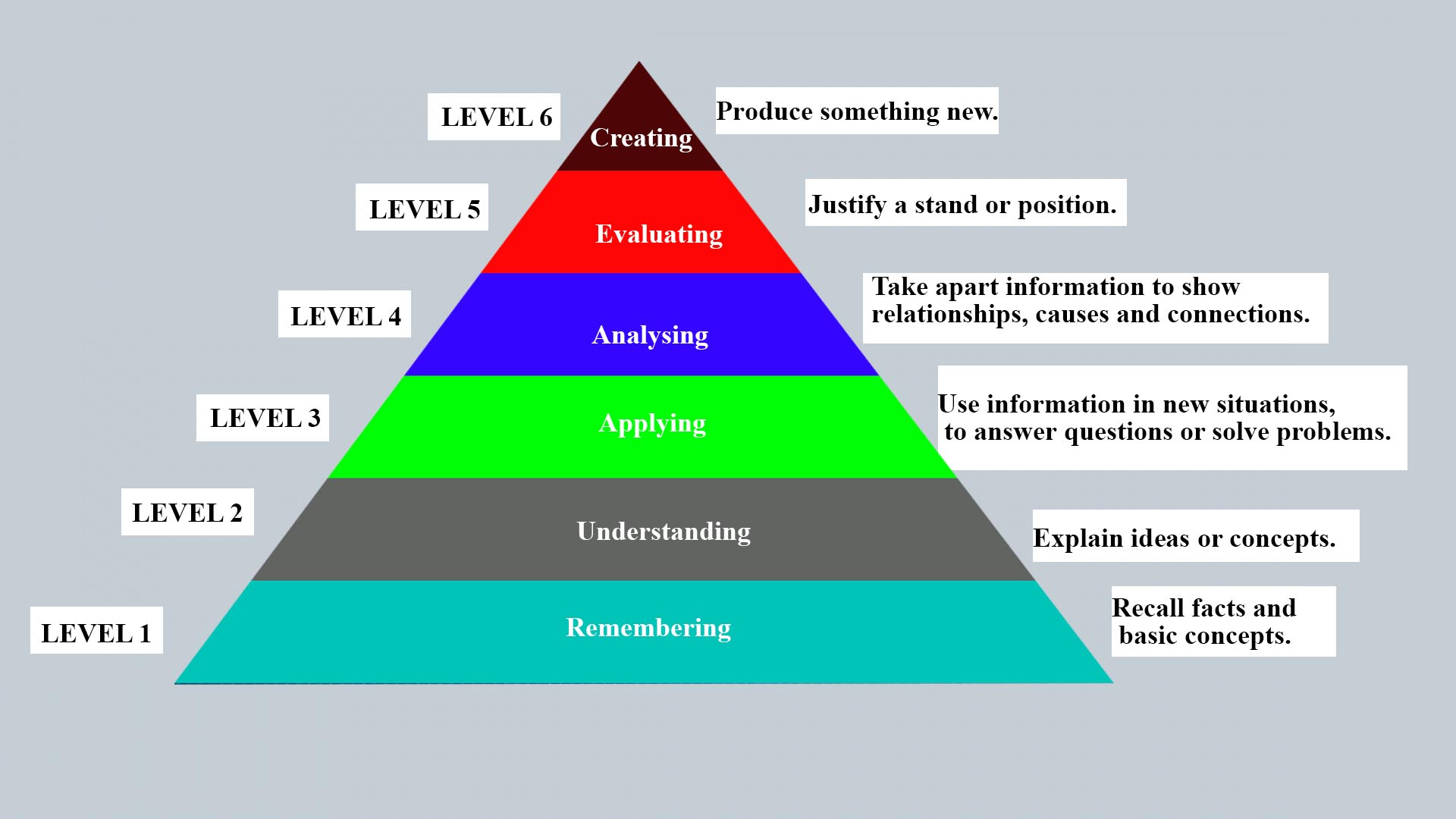
The most widely used cognitivism theories in education are based on Bloom's taxonomies of learning objectives, which are related to the development of different learning skills or ways of learning. Bloom and his colleagues claimed that there are three critical domains of learning:
- Cognitive (thinking) II) Affective (feeling) III) Psycho-motor (doing)